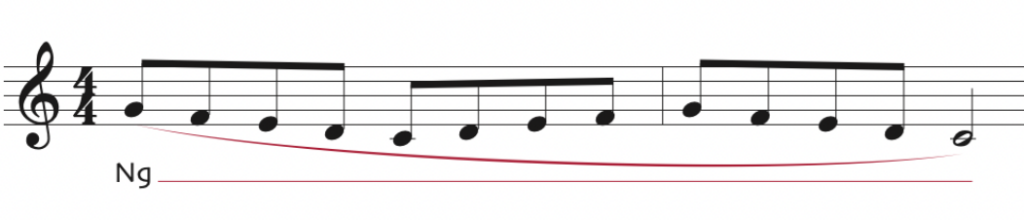
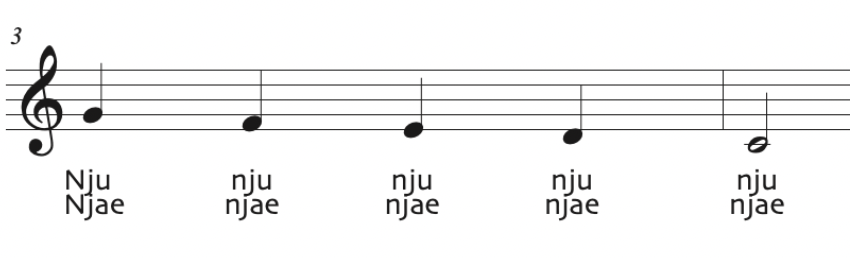
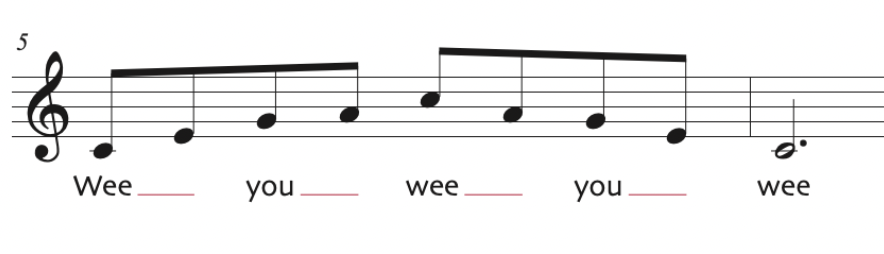
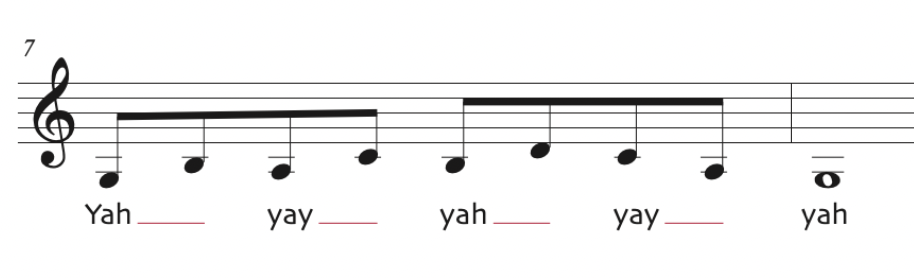
There are eight elements that any good belt warmup needs. In this sequence, I’ve given you one exercise for each of the necessary ingredients. Once you’ve mastered the exercise, you can use the variations I suggest, or come up with your own. Enjoy!
Part 1:Put Your Tongue on Your Palate
When you belt or mix, your tongue needs to be relatively high in your mouth. Therefore, it’s a good idea to start with your tongue all the way up, on an /ŋ/ (“ng”) sound like in the word “sing” or “hung”. You can also try it with your tongue completely suctioned to the roof of your mouth, with the tip right behind your upper teeth.
Try Part 1 Here
Part 2:Raise the Middle of Your Tongue
In legit singing, the tongue is either low (/a/), high in the front (/i/), or high in the back (/u/). In mix and belt, the tongue is high in the middle. You’ll use the consonant combination of /nj/ to bring your tongue high in the middle, first using /u/ and then /æ/ (“bad”).
Try Part 2 Here
Part 3:Focus Your Sound
To mix well, you need to maximize resonance and minimize pressure. This combo of vowels and consonants will help you do just that.
Try Part 3 Here
Part 4:Find Your Chest
In mixing and belting, a thicker vocal fold mass is used. This drill will wake up this way of using your voice. If you have an easy time accessing chest resonance, start with a /y/ sound. If you struggle with chest, start with a gentle glottal (like in the word “air”)
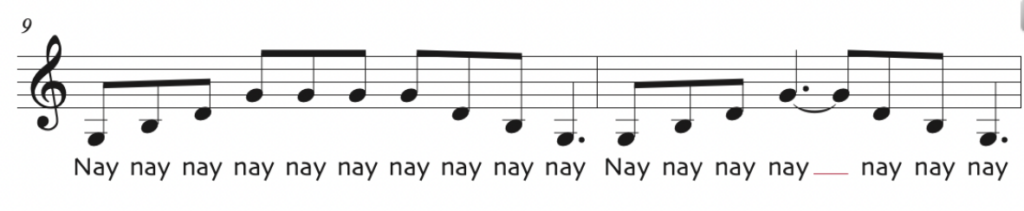
Part of mixing and belting well is accessing speech quality in your singing. This sequence on “nay nay nay” allows you to warm this up. Start by speaking the sounds in the contour of the arpeggio, and then sing it while maintaining a speech-like vocal quality.
Try Part 5 Here
Part 6: Lighten Your Call
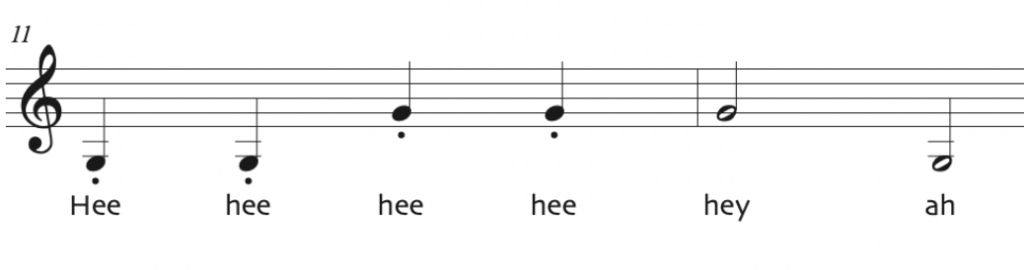
The term I prefer you use for belt quality is calling, which is a reflexive action that your larynx can take to communicate over distance. Before you go into your call, we’re going to lighten up the vocal fold mass a bit by doing a few short notes on /i/ (“ee”)
Try Part 6 Here
Part 7: Start with Glides
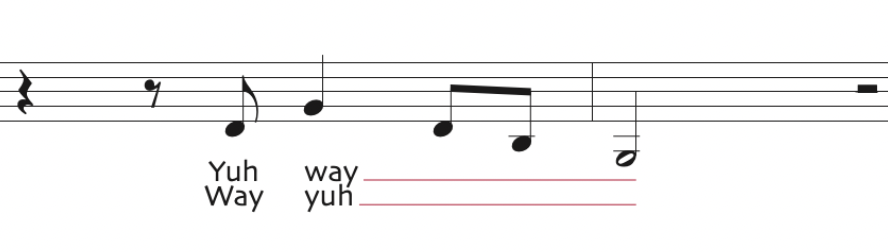
The most important moment of any belt phrase is the first moment. Here, you’ll use a /y/ and a /w/ to onset, or start, the phrase. These glides help to ease off vocal pressure and make your notes clean.
Try Part 7 Here
Part 8: Switch from Head Voice to Belt
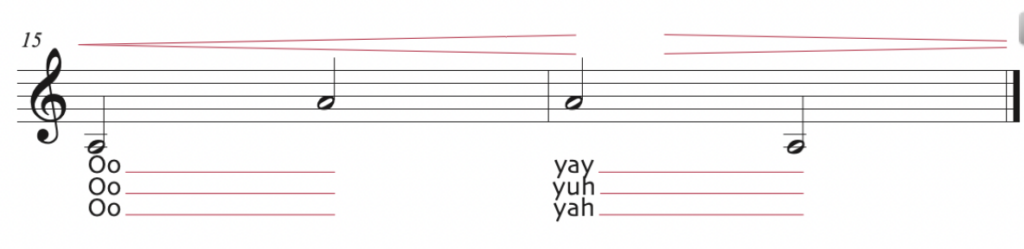
To master belting, you can’t get stuck in a belt quality. In this drill, you will start in thin folds (head voice) and then transition into a belt.
Try Part 8 Here
Bonus:Sheet Music PDF
Here’s a downloadable copy of the sheet music for these exercises:
To download the file, hover over the bottom portion of the sheet music, and you’ll see the download button.